
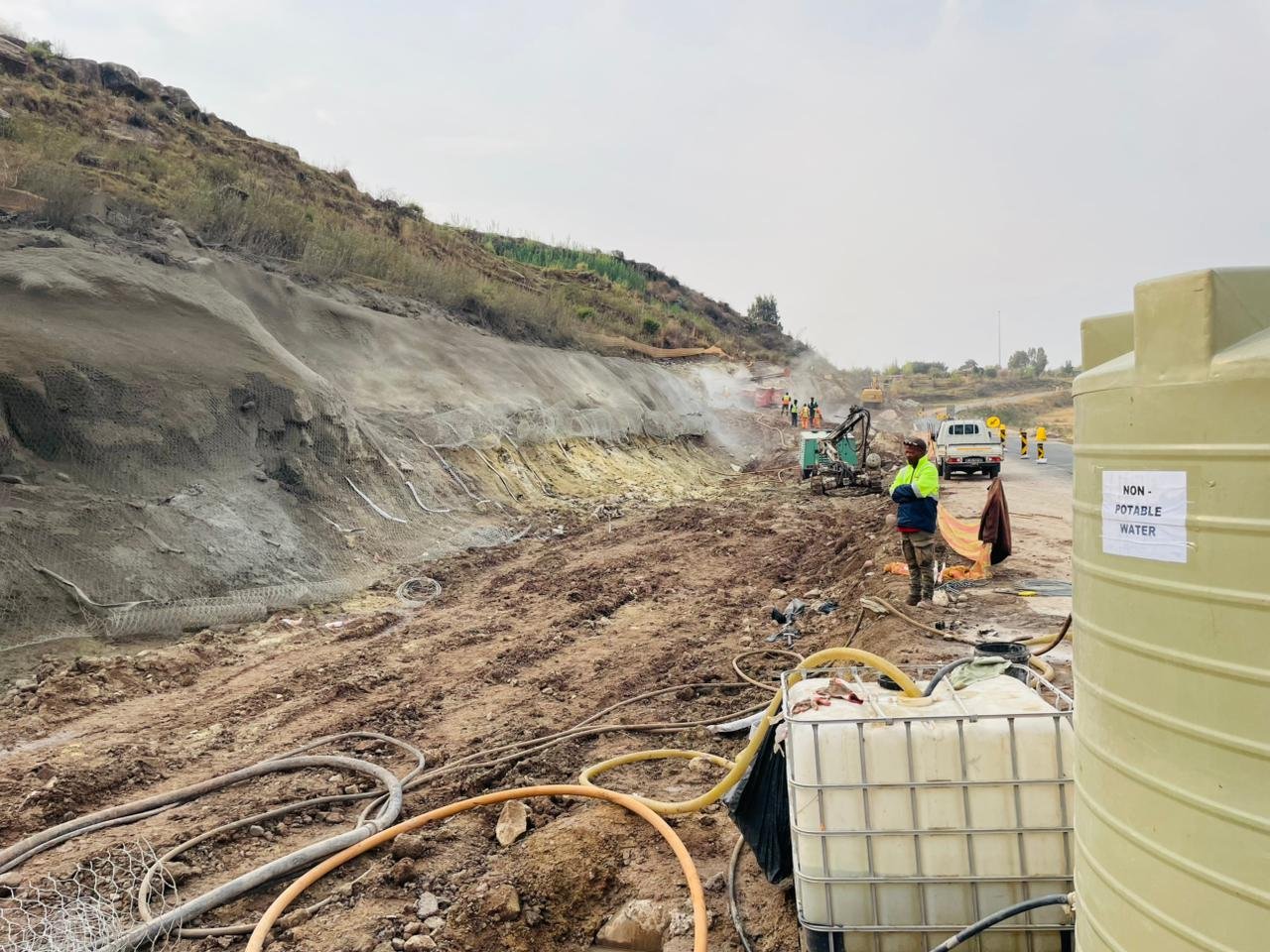
Understanding Geotechnical Engineering
At its core, geotechnical engineering seeks to understand the physical and mechanical behaviour of soil and rock. By integrating principles from engineering, geology, and physics, the discipline provides solutions to challenges such as slope stability, foundation performance, and groundwater control. Its insights are fundamental to designing infrastructure that is safe, reliable, and sustainable.
What is a Geotechnical Engineer?
A geotechnical engineer specialises in assessing subsurface conditions to support construction and mining projects. Their responsibilities include conducting site investigations, analysing soil and rock data, and designing foundations, retaining structures, and other ground-related systems. By evaluating ground behaviour and identifying potential risks, they help ensure that projects are safe, efficient, and environmentally responsible.
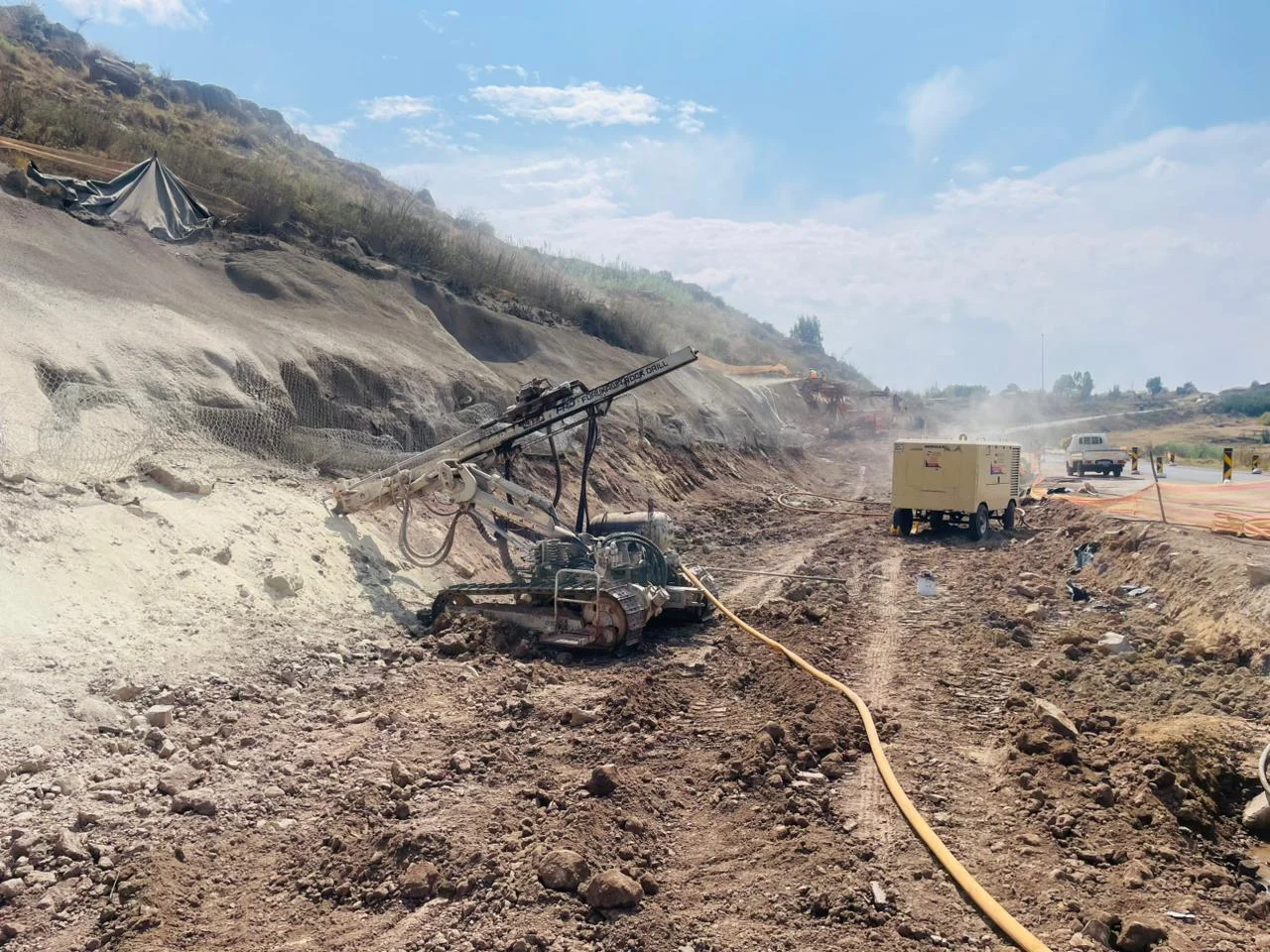
Key Responsibilities of a Geotechnical Engineer
1. Site Investigations: Evaluating soil, rock, and groundwater conditions to determine the suitability of a site for construction or mining activities.
2. Data Analysis: Interpreting results from field and laboratory tests to assess material properties, behaviour, and overall stability.
3. Foundation Design: Developing designs for shallow and deep foundations to ensure the structural integrity of buildings and infrastructure.
4. Retaining Structures: Designing retaining walls, embankments, and slopes to prevent instability, landslides, and erosion.
5. Risk Assessment: Identifying potential geotechnical hazards—such as settlement, liquefaction, or slope failure—and recommending effective mitigation strategies.
6. Geotechnical Reporting: Preparing comprehensive reports detailing investigation findings, analyses, design recommendations, and technical guidance for clients and stakeholders.
7. Environmental Impact Mitigation: Ensuring that proposed designs are sustainable and minimise environmental impacts, especially in ecologically sensitive areas.
8. Collaboration: Working closely with architects, civil engineers, and construction teams to integrate geotechnical solutions into broader project plans.
Importance of Geotechnical Engineering
Without geotechnical engineering, structures would be at significant risk of failure due to unstable foundations or unforeseen ground conditions. This discipline provides the essential understanding needed to ensure that buildings, bridges, roads, and tunnels are constructed on reliable ground, reducing the likelihood of costly, hazardous, and potentially catastrophic failures.
Common Problems
Geotechnical engineers tackle issues like soil erosion, sinkholes, landslides, and groundwater seepage. Each problem presents unique challenges that require customised engineering solutions to ensure safety and project success.
Infrastructure Construction
Infrastructure construction involves the development and maintenance of essential public works such as roads, bridges, utilities, and transportation systems. These projects form the backbone of economic growth, community development, and public well-being. Modern trends increasingly focus on smart infrastructure—integrating advanced technologies to enhance efficiency, sustainability, and long-term performance.
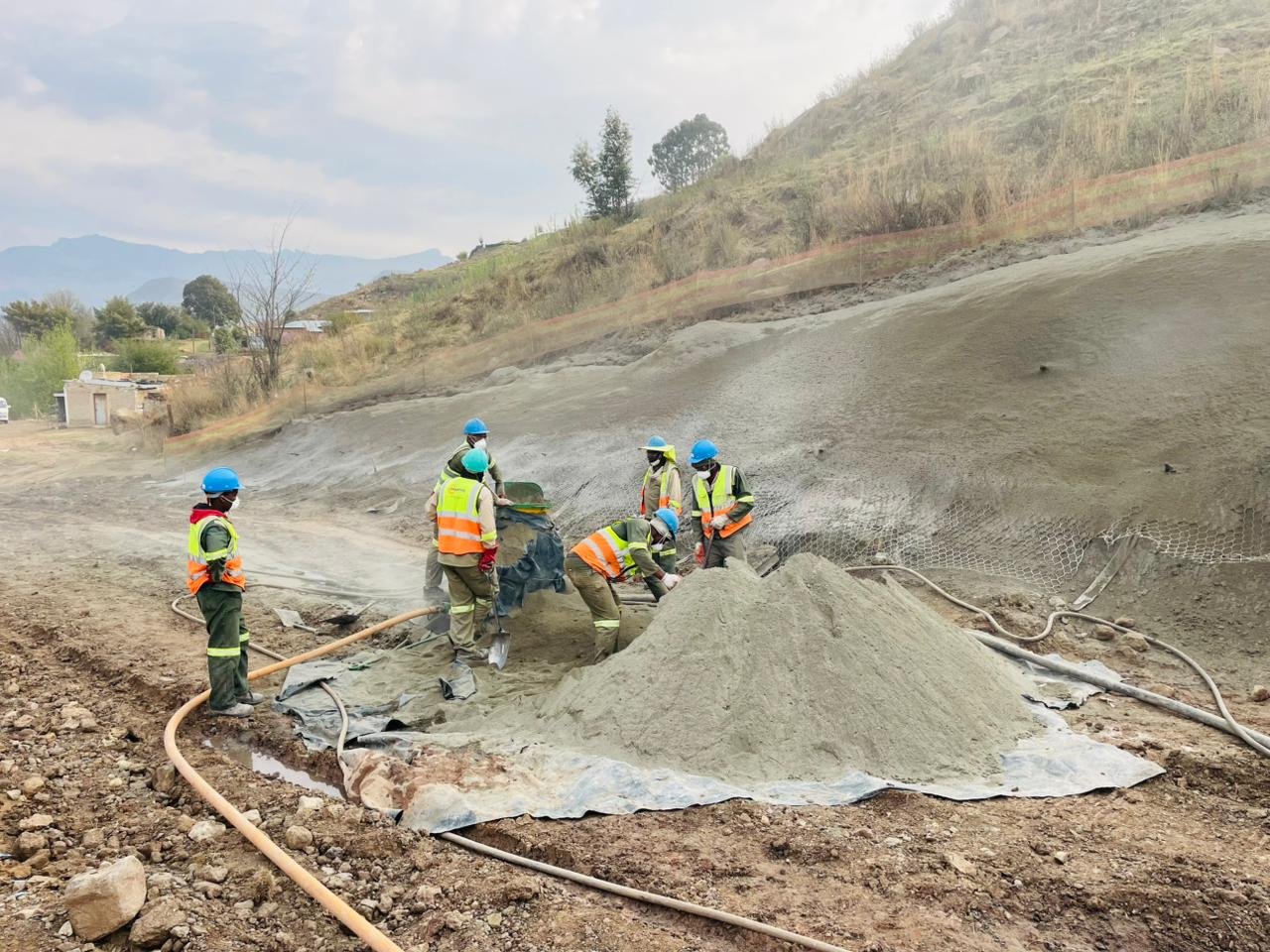
Core Concepts
Soil Mechanics and Rock Mechanics
Soil mechanics examines how soil responds to various stresses and environmental conditions, while rock mechanics focuses on the behaviour and properties of rock masses. Together, these disciplines provide the foundation for designing stable slopes, foundations, and excavations, helping engineers prevent structural failures and ensure long-term stability.
Why Soil is the Foundation of Every Construction Project
Think of soil as the unsung hero of every construction project. It’s far more than the ground beneath our feet—it’s the backbone that supports everything we build. Understanding its load-bearing capacity, compaction behaviour, and drainage characteristics is like discovering a teammate’s hidden strengths. Without proper soil support, even the most impressive skyscraper could turn into an expensive, oversized game of Jenga.
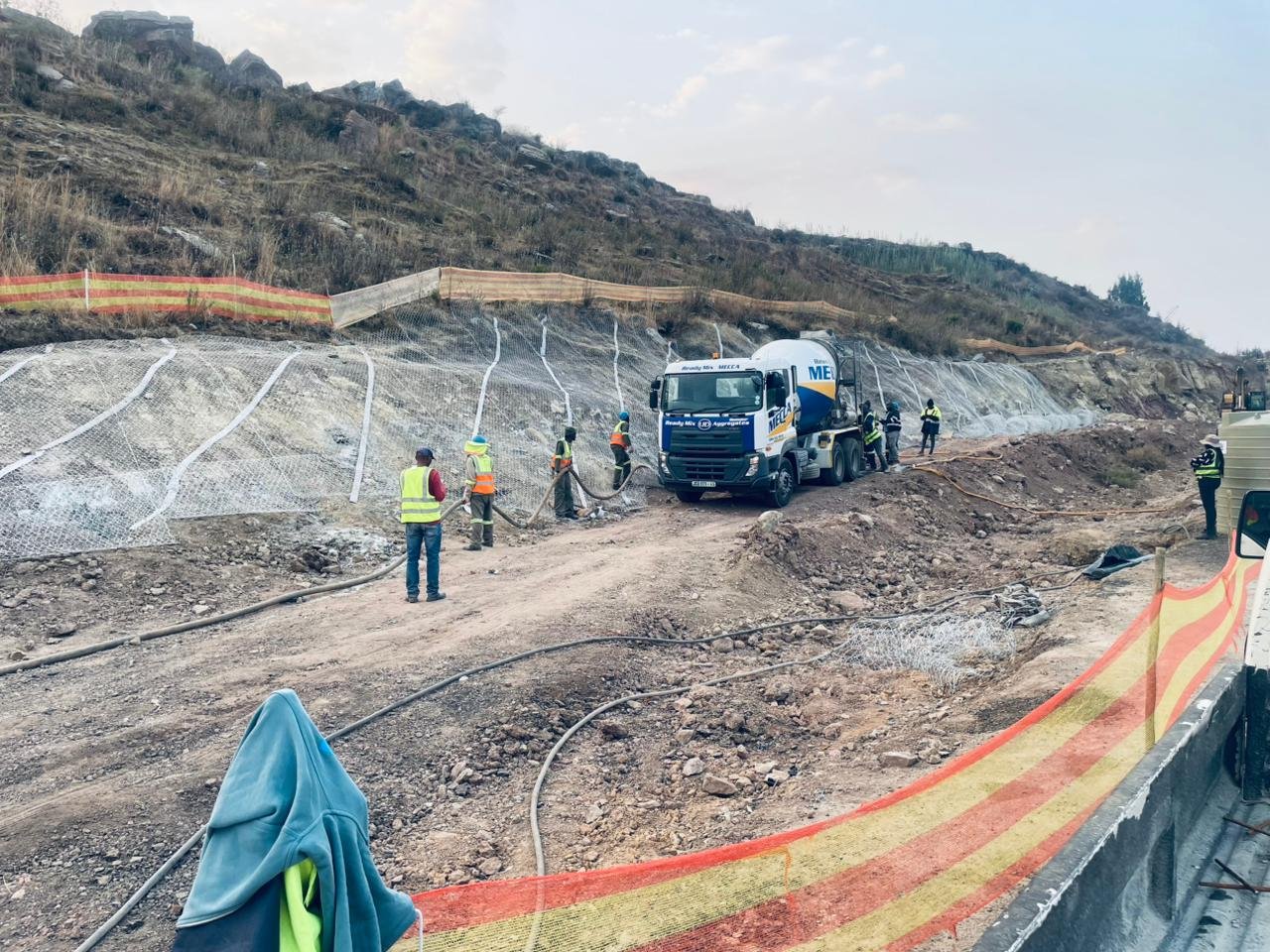
Types of Geotechnical Engineering
Soil Mechanics
Soil mechanics studies how soils behave when subjected to stresses, focusing on factors such as settlement, shear strength, and permeability. This understanding is essential for designing stable foundations and preventing structural failures.
Rock Mechanics
Rock mechanics focuses on the behaviour and stability of rock masses, making it crucial for the safe design of tunnels, mine shafts, retaining walls, and other structures built within or against significant rock formations.
Foundation Engineering
Foundation engineering involves designing both shallow and deep foundation systems that safely transfer structural loads to the underlying ground. Its goal is to ensure stability, minimise settlement, and maintain the long-term integrity of the structure.
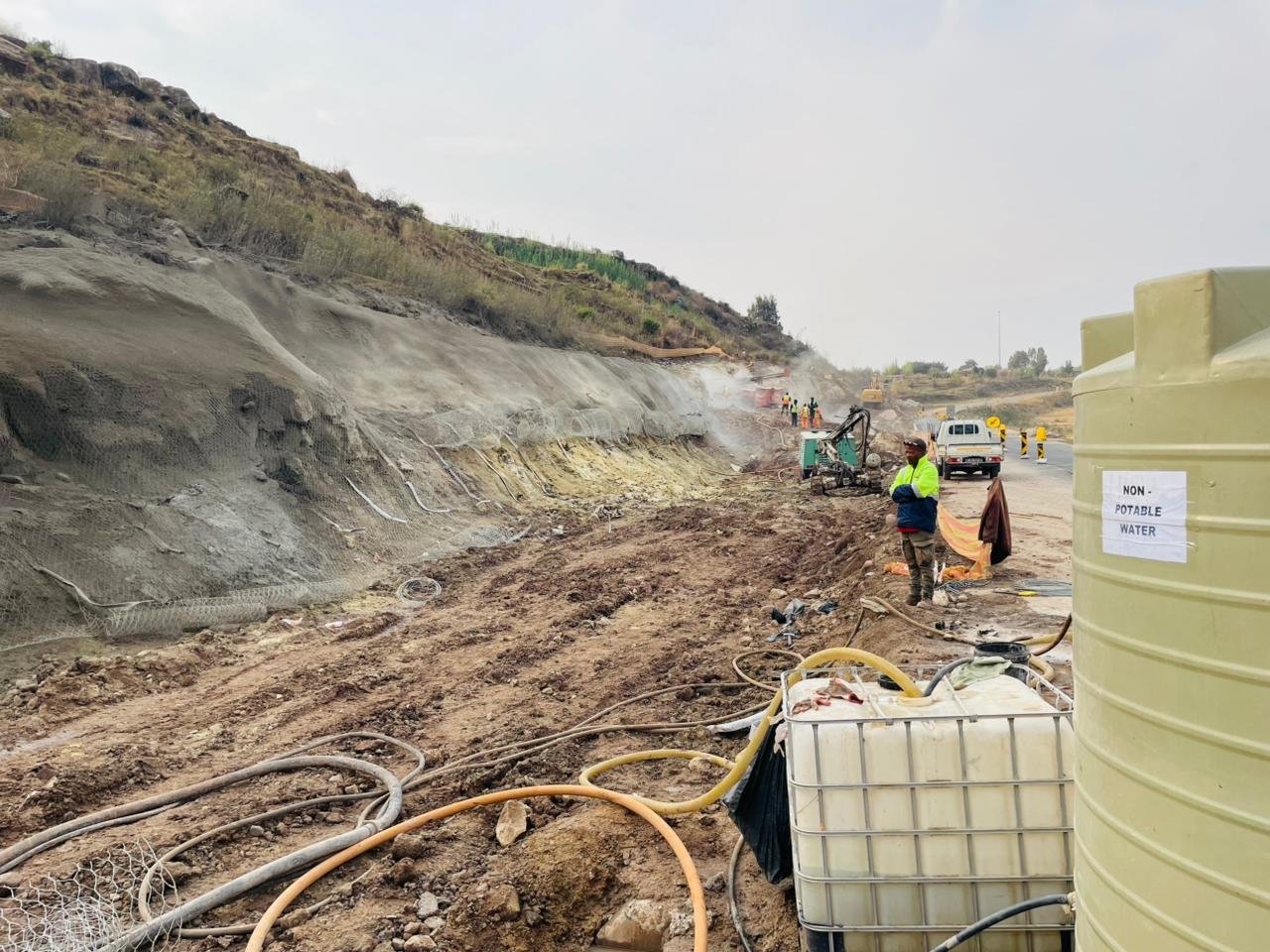
Types of Geotechnical Surveys and Testing
Common laboratory tests include:
• Triaxial Testing: Assesses soil strength and deformation under controlled stress conditions.
• Direct Shear Testing: Measures the shear resistance of soils and rocks to evaluate their stability.
• Permeability Testing: Determines how easily water can flow through soil or rock, informing drainage and groundwater management designs.
Interpreting Geotechnical Reports
Geotechnical reports compile the findings from site investigations, laboratory tests, and engineering analyses. They provide essential recommendations that guide the planning, design, and safe execution of construction and mining projects.
In Conclusion
Geotechnical engineering is essential for delivering safe, stable, and sustainable infrastructure. By thoroughly understanding the behaviour of the ground beneath us, this field allows engineers to design with confidence while minimising risks. To learn more about geotechnical engineering or to discuss tailored solutions for your project, feel free to reach out to our team of experts.