
Lateral Support
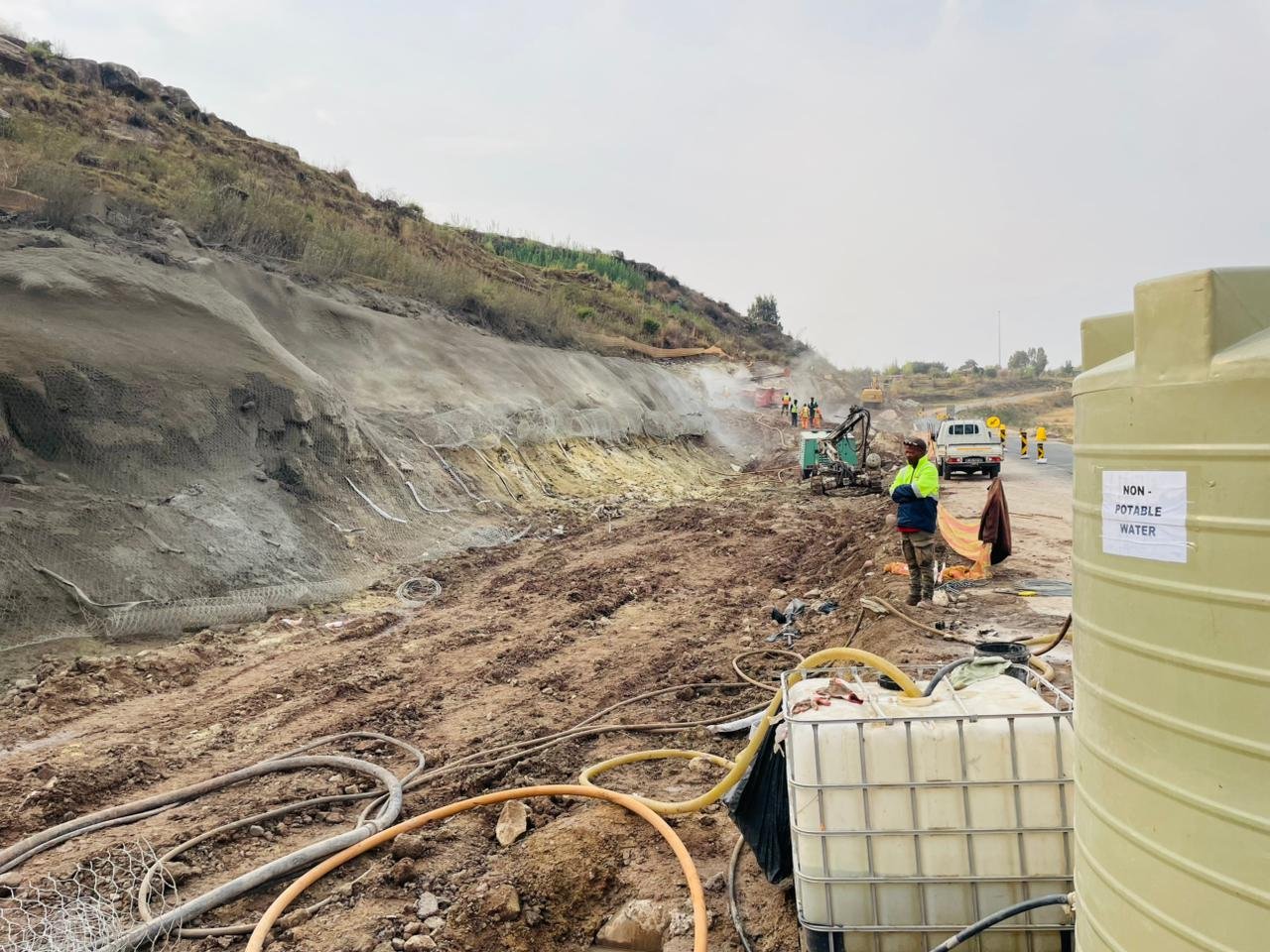
Lateral support plays a pivotal role in the design and construction of buildings and civil engineering structures, as it is essential for maintaining stability and preventing excessive lateral movement or structural failure. Such support systems counteract forces generated by soil pressure, water pressure, wind, seismic activity, and construction loads.
In geotechnical and infrastructure applications, lateral support is crucial in a wide range of scenarios. These include retaining soil during excavations for road cuttings, basement structures, foundation works, bridge widenings, and bulk earthworks platforms. It is equally important in more specialized excavations such as pits, box cuts, and high walls, where unsupported vertical or nearly vertical faces would otherwise be prone to collapse. Properly designed lateral support systems—such as retaining walls, sheet piles, braced excavations, soil nails, and ground anchors—ensure that construction can proceed safely, efficiently, and without compromising the integrity of adjacent structures or terrain.
Providing Lateral Support: Methods and Considerations
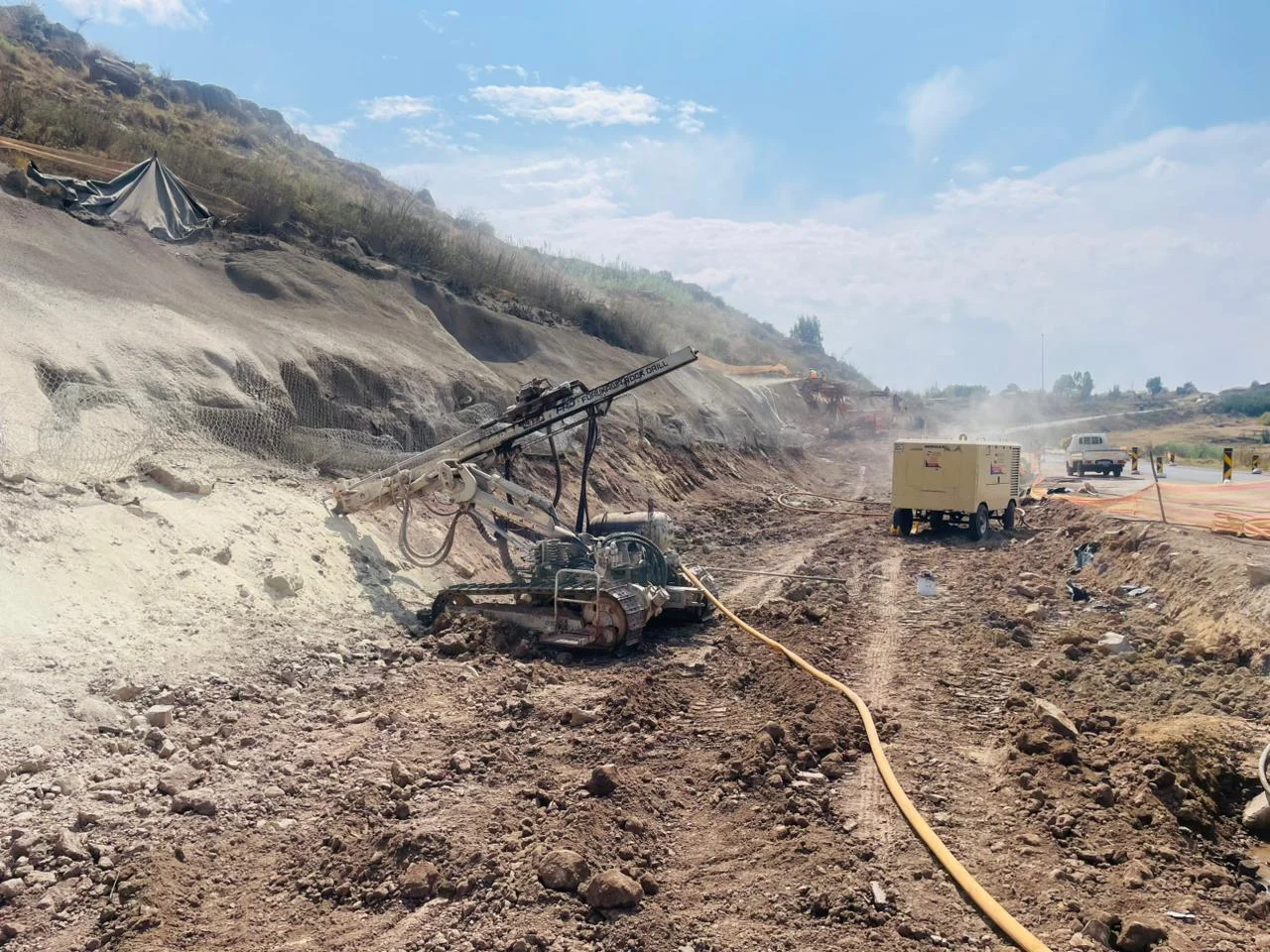
The provision of lateral support involves using a variety of techniques, each selected to suit the specific ground conditions and structural requirements of a project. Common methods include the installation of retaining walls, internal bracing systems, tiebacks, and ground anchors, all of which work to resist the horizontal pressures exerted by soil, water, and adjacent structures. The choice of an appropriate lateral support system depends on several key factors, such as soil type and stratification, groundwater conditions, excavation depth, building height, and the magnitude and nature of the loads to be supported.
The necessity of lateral support is deeply rooted in the principles of geotechnical engineering, which underpin the safety, stability, and efficiency of construction works. Geotechnical engineers analyse subsurface conditions and assess potential failure mechanisms to determine the most effective support strategy. Techniques such as sheet piling, soil nailing, and shoring are frequently employed to reinforce excavation faces, stabilise slopes, and protect nearby infrastructure. By applying these systems appropriately, engineers ensure that structures and excavations remain secure throughout both construction and long-term service life.
Sheet Piling: A Solution for Earth Retention
Sheet piling is a versatile technique widely used in the construction industry to form both temporary and permanent retaining structures. It provides effective excavation support and soil retention by driving interlocking steel sheet sections into the ground, creating a continuous barrier capable of resisting lateral earth and water pressures. Installation is typically carried out using vibratory hammers, which are efficient and suitable for most soil conditions. However, in denser or more resistant soils, impact hammers may be required to achieve the necessary penetration depth.
Shoring: Temporary Support for Construction
Shoring is a temporary structural support system used during construction or repair to prevent the collapse of excavations, structures, or unstable ground. It is especially critical during the early stages of construction—such as excavation—where it reinforces below-ground work, including trenches, pits, and foundation cuts. A range of shoring methods can be employed depending on project requirements, soil conditions, and excavation depth. Common systems include timber shoring, soldier piles with lagging, aluminium hydraulic shoring, and pneumatic shoring, each offering varying levels of strength, adjustability, and ease of installation to ensure safe working conditions throughout the construction process.
Soil Nailing: Reinforcing Earth Structures
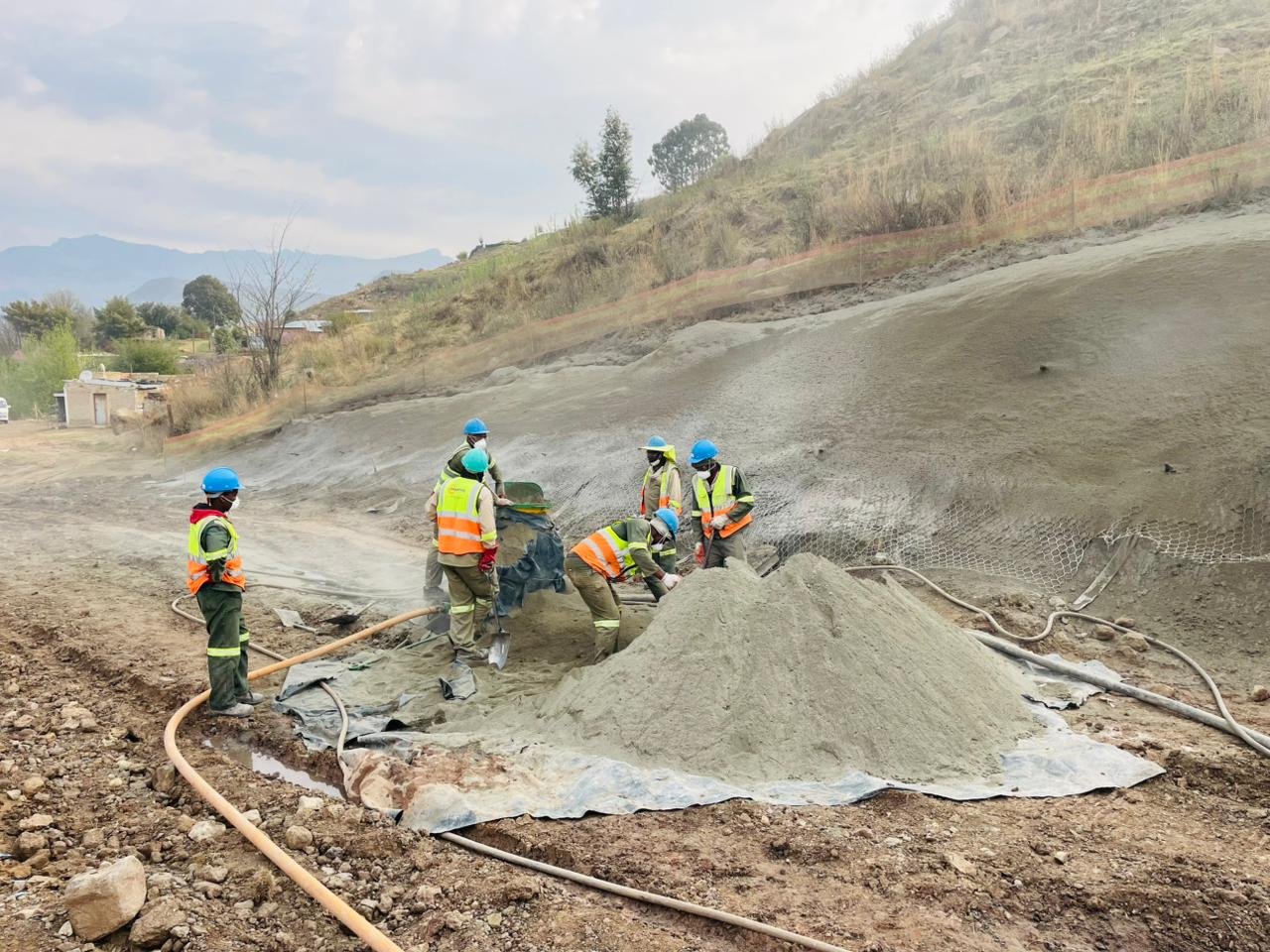
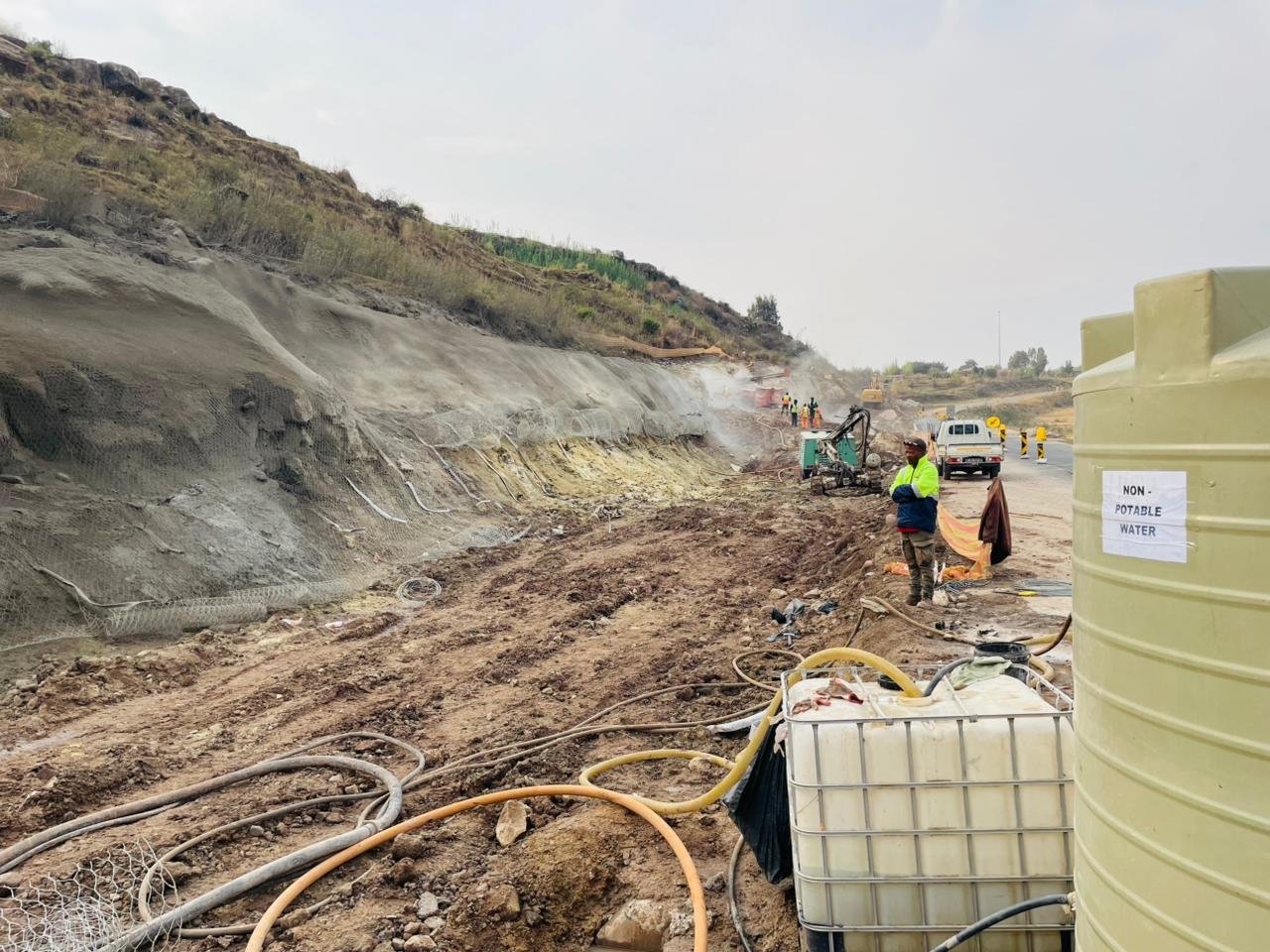
Soil nailing is a ground-reinforcement technique in which slender elements—typically steel reinforcing bars—are inserted into a soil slope or retaining wall to enhance the overall stability of the soil mass. The method is highly versatile, allowing effective shoring even along irregular curves or uneven surfaces. Because the installation equipment can be adapted for tight or restricted spaces, soil nailing works well in a wide range of construction environments.
For retaining structures taller than roughly 3 meters, soil nailing often becomes a more practical and cost-efficient solution compared to driven piles. Another notable benefit is the reduced noise during installation, especially when contrasted with the loud impact of pile-driving operations. In areas where space is limited—particularly for tall retaining walls—soil nailing also minimizes the required footprint, making it more advantageous than cutting back or battering the slope.
Shotcrete: A Versatile Construction Material
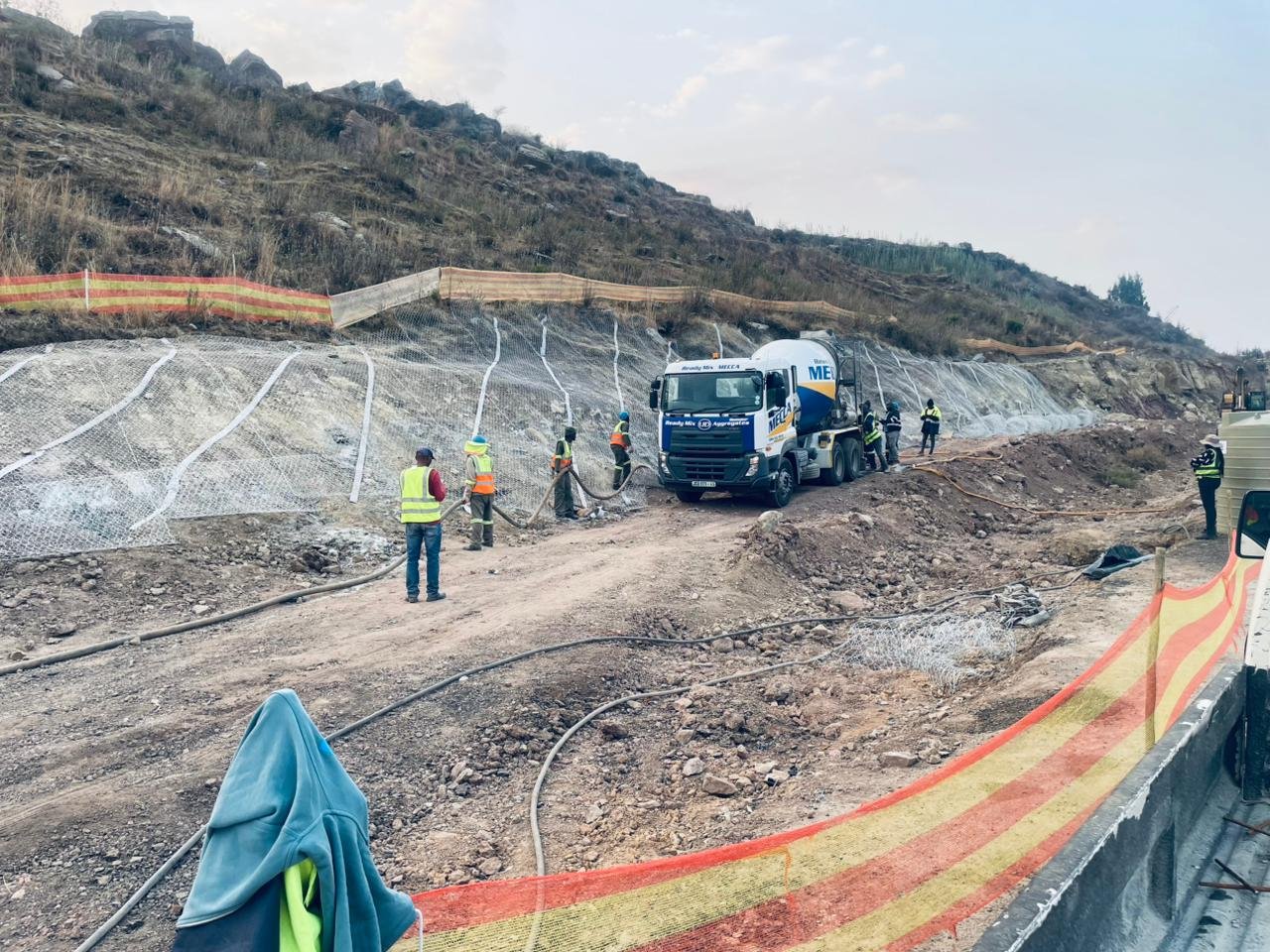
Shotcrete is a concrete-placement technique in which high-velocity streams of concrete are projected onto vertical, overhead, or irregular surfaces. The force of application compacts and consolidates the material, producing hardened properties comparable to conventional cast-in-place concrete. However, the unique delivery method creates exceptional bonding with most substrates and allows for rapid or even immediate setting, making it ideal for complex shapes and detailed forms.
A key advantage of shotcrete is its efficiency: it significantly reduces the need for formwork and therefore offers a more economical alternative to traditional concrete placement. Two application methods are commonly used—wet-mix and dry-mix. In the wet-mix process, all ingredients, including water, are fully blended before entering the delivery hose. In contrast, the dry-mix process delivers the dry components through the hose while water is added at the nozzle during application.
Shotcrete is widely used in both new construction and repair work. Its adaptability and strong bonding characteristics make it particularly suitable for curved surfaces, thin structural elements, and situations where conventional concrete placement would be difficult, less efficient, or more costly.
Identifying and Managing Hazards in Lateral Support Projects
While lateral support is essential for safe and efficient construction, recognising and mitigating potential hazards is equally critical. Hazard identification plays a central role in project planning, and several risks specific to lateral support activities must be addressed.
These include:
• Over-excavation, which can cause soil collapse.
• Noise-induced hearing loss from high-powered machinery and equipment.
• Nip and pinch points during equipment setup and assembly.
• Detachment of couplings that may result in serious injuries.
• Rebound grout during shotcreting, which can cause superficial wounds.
• Back strain resulting from improper posture or incorrect handling of tools and equipment.
• Various hazards associated with drilling operations at height.
• High-pressure dangers during shotcrete application.
• Repetitive stress injuries linked to labour-intensive tasks.
Project-specific hazards are evaluated at the outset of each job and managed accordingly, reinforcing the need for proactive and continuous safety planning in lateral support operations.
In conclusion, the range of lateral support methods—such as sheet piling, shoring, soil nailing, and shotcrete—demonstrates their collective importance in maintaining stability, safety, and efficiency on construction sites. These versatile techniques, adaptable to diverse ground conditions and project requirements, highlight the critical role of strategic planning in successful lateral support implementation.