
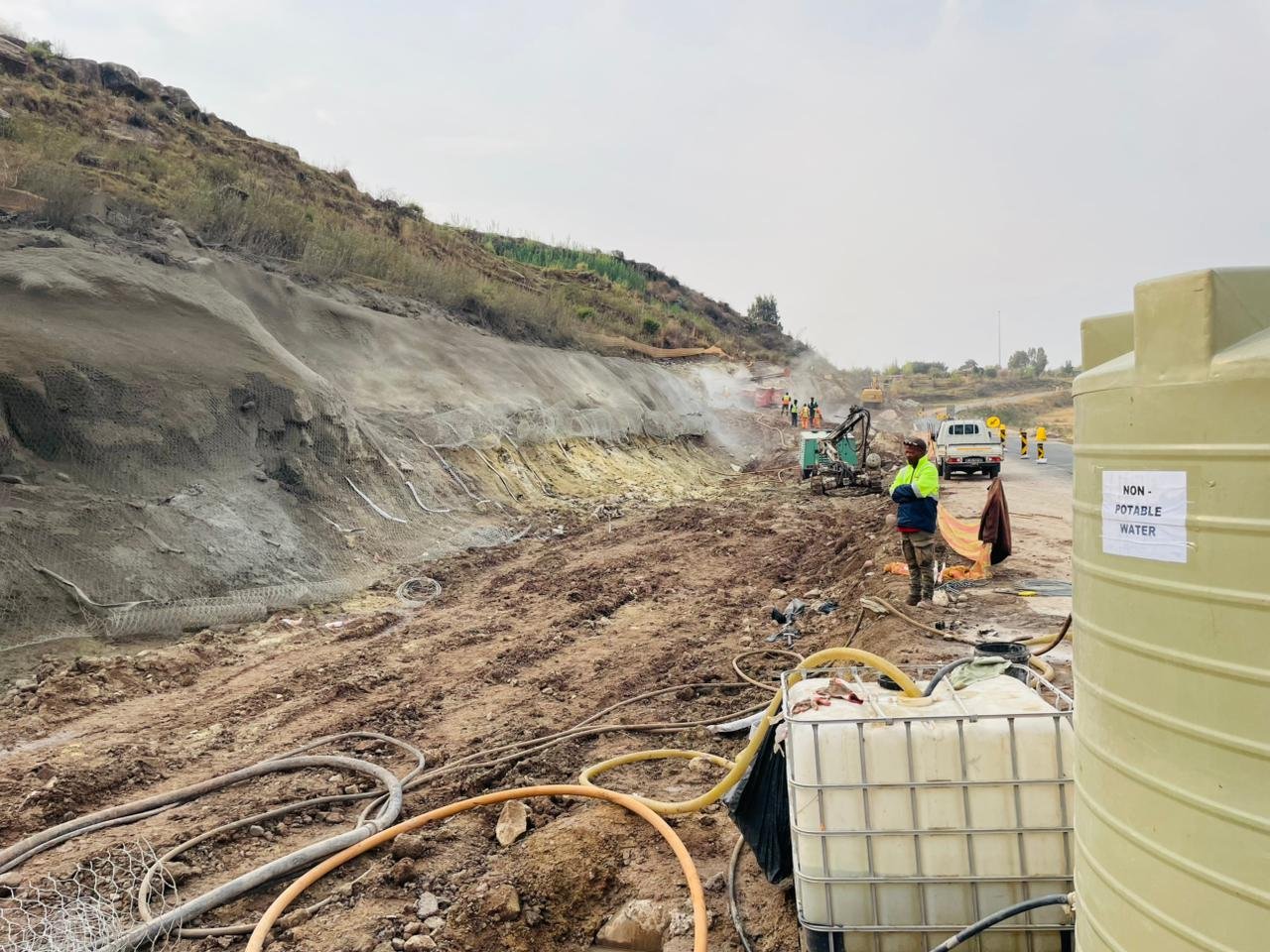
Shotcrete
Shotcreting is a construction process in which mortar made from very fine concrete is sprayed or deposited onto a prepared surface at high velocity. The material that adheres to the surface is known as shotcrete.
Shotcrete offers several advantages over traditional concrete placement. It requires a smaller, portable plant for both production and application, making it efficient and convenient for a wide range of projects. Additionally, shotcrete bonds well with many materials, which enhances its versatility.
Like all types of concrete, shotcrete must be properly cured to prevent cracking. It should be cured with water for at least 14 days after placement. When correctly cured, sprayed concrete can achieve strengths of 450–550 kg/cm² within 28 days.
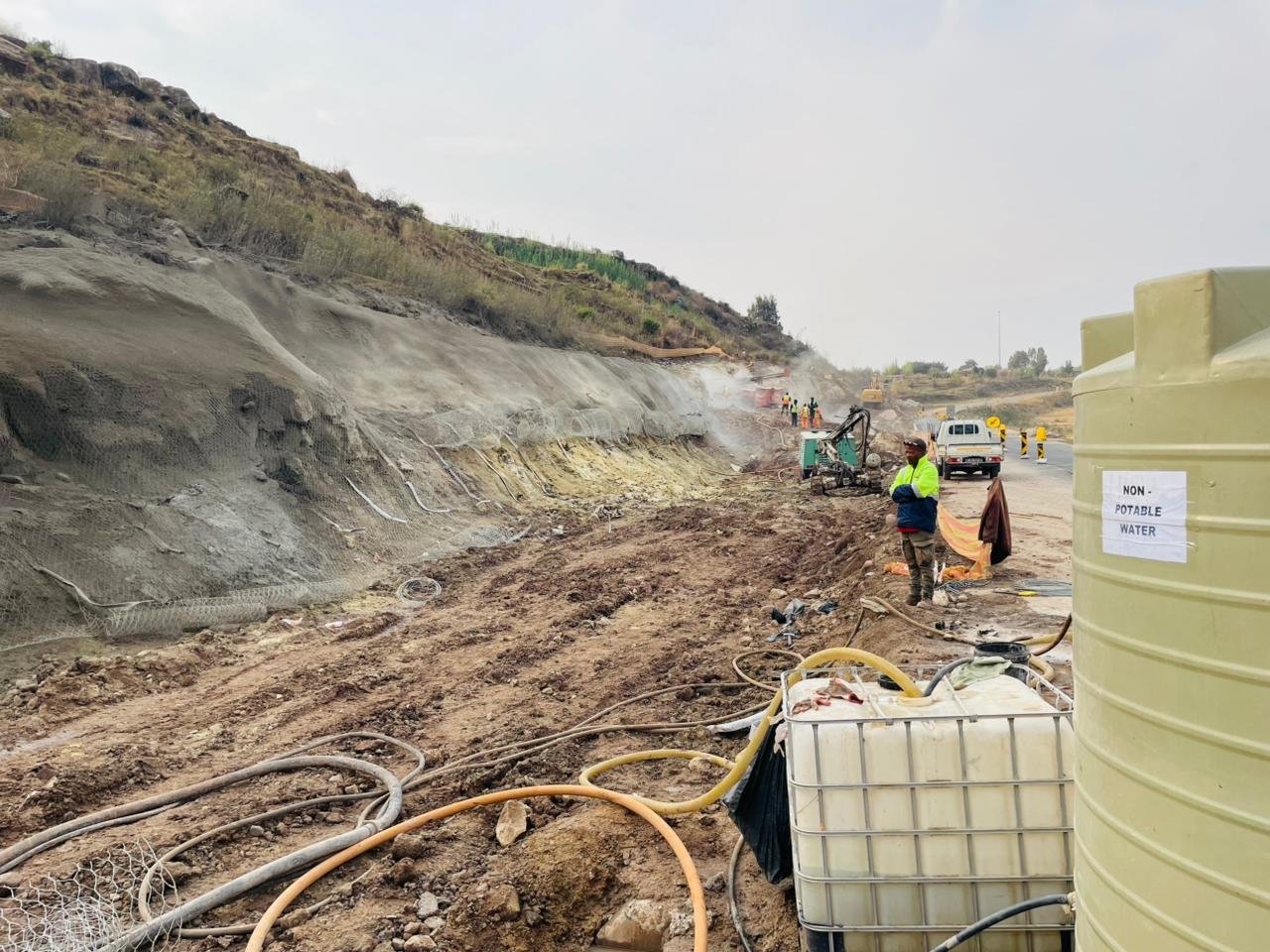
What is Shotcrete?
Shotcrete is a type of concrete that is pumped through a hose and pneumatically projected at high velocity onto a surface. This construction technique involves mixing concrete with water and spraying a controlled blend of cement and aggregates. Because it can adhere to virtually any surface or shape—including vertical and overhead areas—shotcrete is highly versatile.
The technology offers significant savings in both time and cost, making it an efficient solution for many construction applications. It was originally developed to accelerate work on-site and to reduce the need for architectural modifications. Technical properties such as compressive strength and the elastic modulus of young shotcrete play a crucial role in ensuring safety during the construction of tunnels, canal linings, and buildings.
Shotcrete can quickly stabilise and support structures, and it enables concrete placement without the need for traditional moulds. Also referred to as “sprayed concrete,” it represents the effective combination of material and machinery. As the demand for underground infrastructure increases due to growing mobility needs and limited space, shotcrete continues to play a vital role in meeting these modern construction challenges.
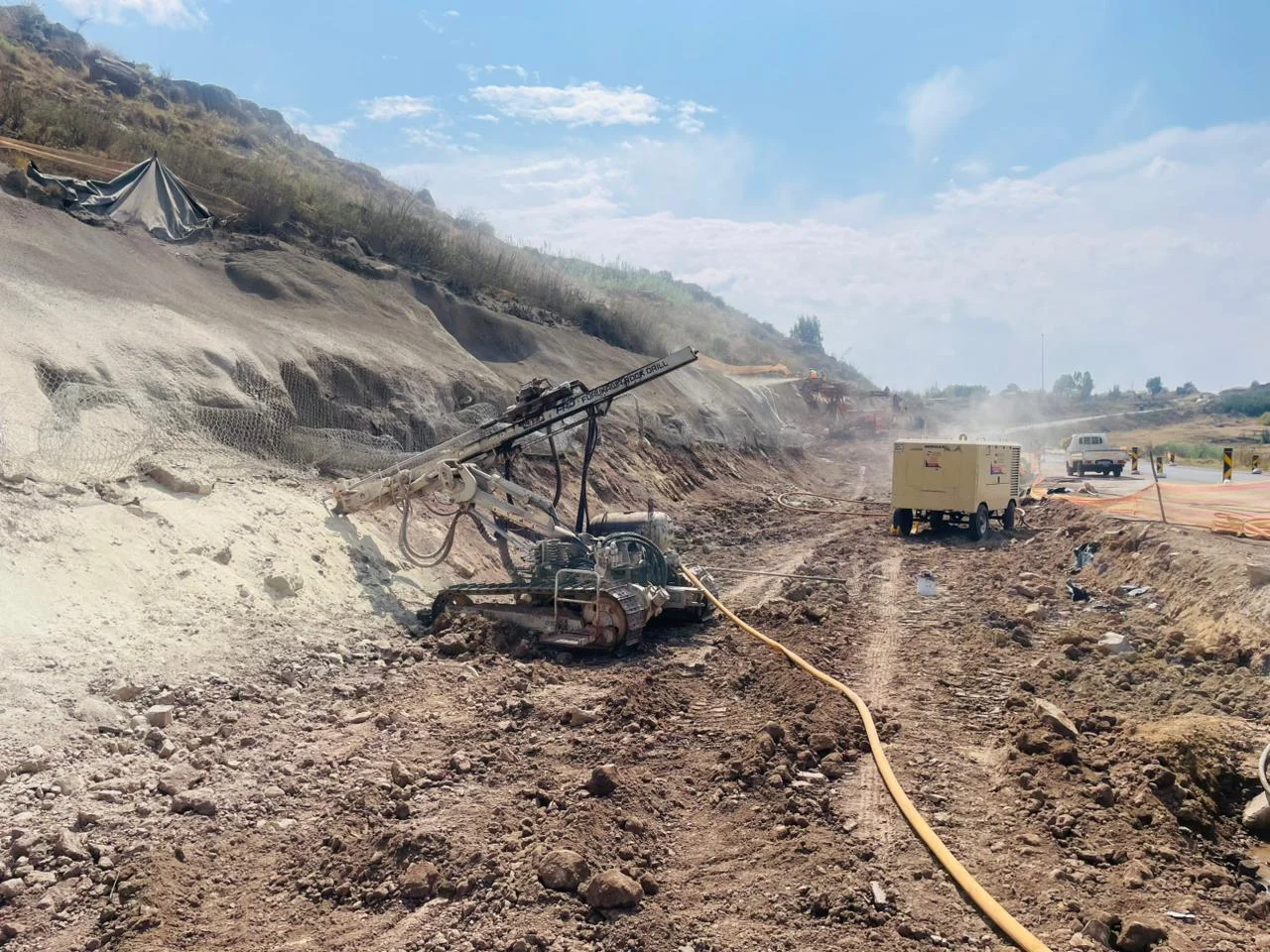
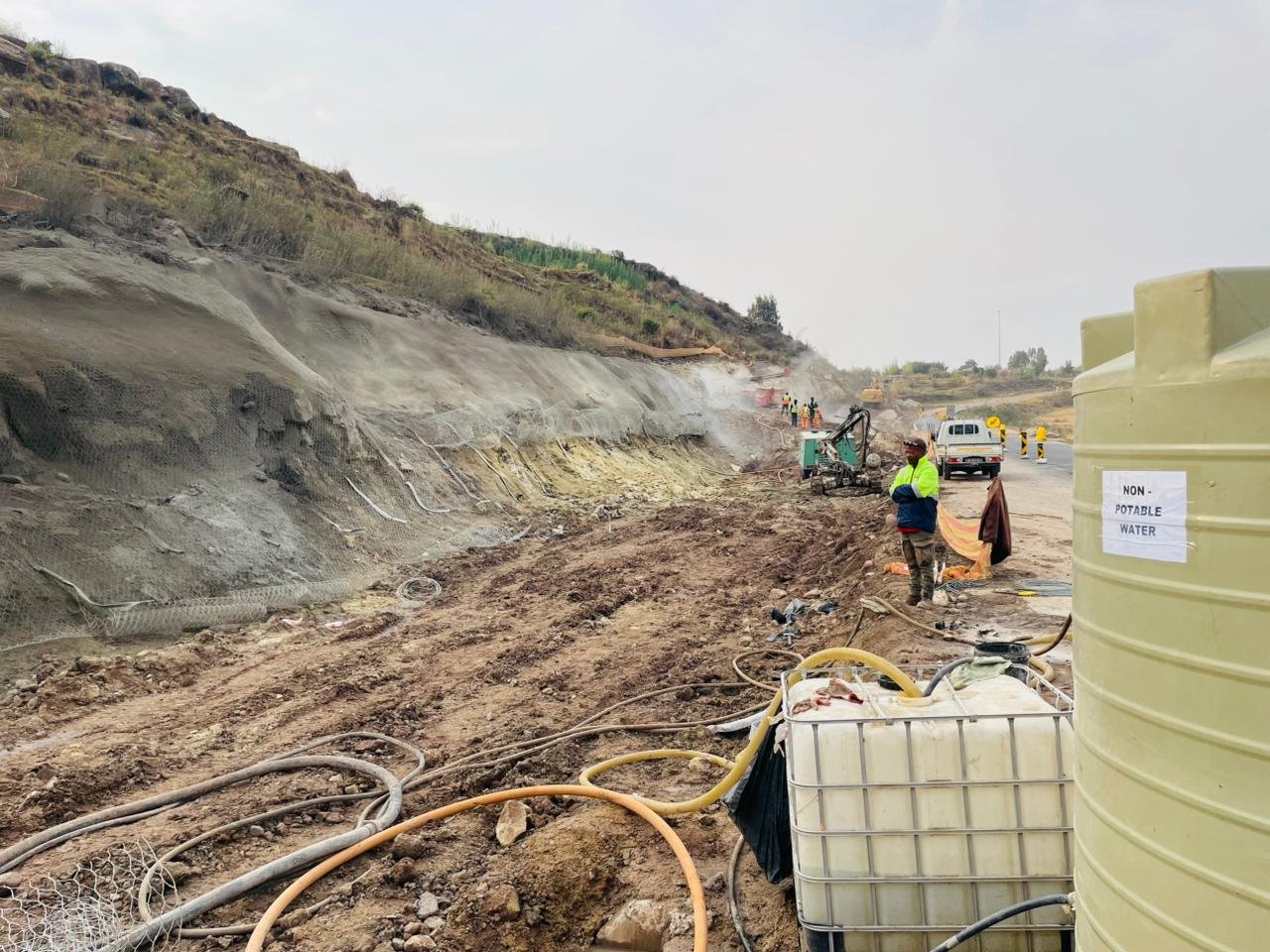
What are the two basic shotcreting processes?
There are two basic shotcreting processes:
1. Dry Mix Process
It involves the best cement mixture being transported through a delivery pipe to a special delivery equipment machine.
A distributor or feed wheel feeds the mixture into the delivery tube. This material is carried by compressed air perforated manifold. Water is introduced under pressure and mixed in with other ingredients.
The mortar was hurled from the nozzle at high speed onto the surface to be shotcrete. The nozzleman can alter the water quantity easily during this process.
Concrete with a higher water content will tend to slump when poured on top of a vertical surface. You should adjust the amount of water to minimise material wastage. The water-cement ratio should range from 0.33 to 0.50.
Shotcrete can be made with a variety of equipment. Equipment that ensures a constant mortar supply can transport the material up to 300-500 m horizontally and 45-100 m vertically.
2. Wet Mix Process
All the ingredients, such as best cement, sand, and small-sized coarse aggregate, are combined before entering the delivery equipment chamber.
The ready-mixed concrete is metered in 7 atmospheres to the nozzle. Additional air is injected at the nozzle to increase velocity and improve the running pattern. There is equipment that can place concrete at 3 to 9m3/hour.
Rebound refers to concrete or mortar falling back onto the surface being treated due to high velocity. It depends on the water-cement ratio and the location and nature of the treated surface.
The range of rebounds for horizontal slabs is between 5 and 15% for vertical surfaces and sloping, 15 to 30% for vertical surfaces and sloping, and 20 to 50 per cent for overhead surfaces and corners.
For lightweight concrete, the dry mix process is preferred. A lower water-cement ratio results in stronger concrete, less shrinkage and creep, and greater durability. Using air-entraining agents in the dry process can help achieve greater durability.
The water-cement ratio is very accurately controlled in the wet processes. The wet process does not cause the most problems. Concrete placement rates are higher when there is more concrete to be placed.
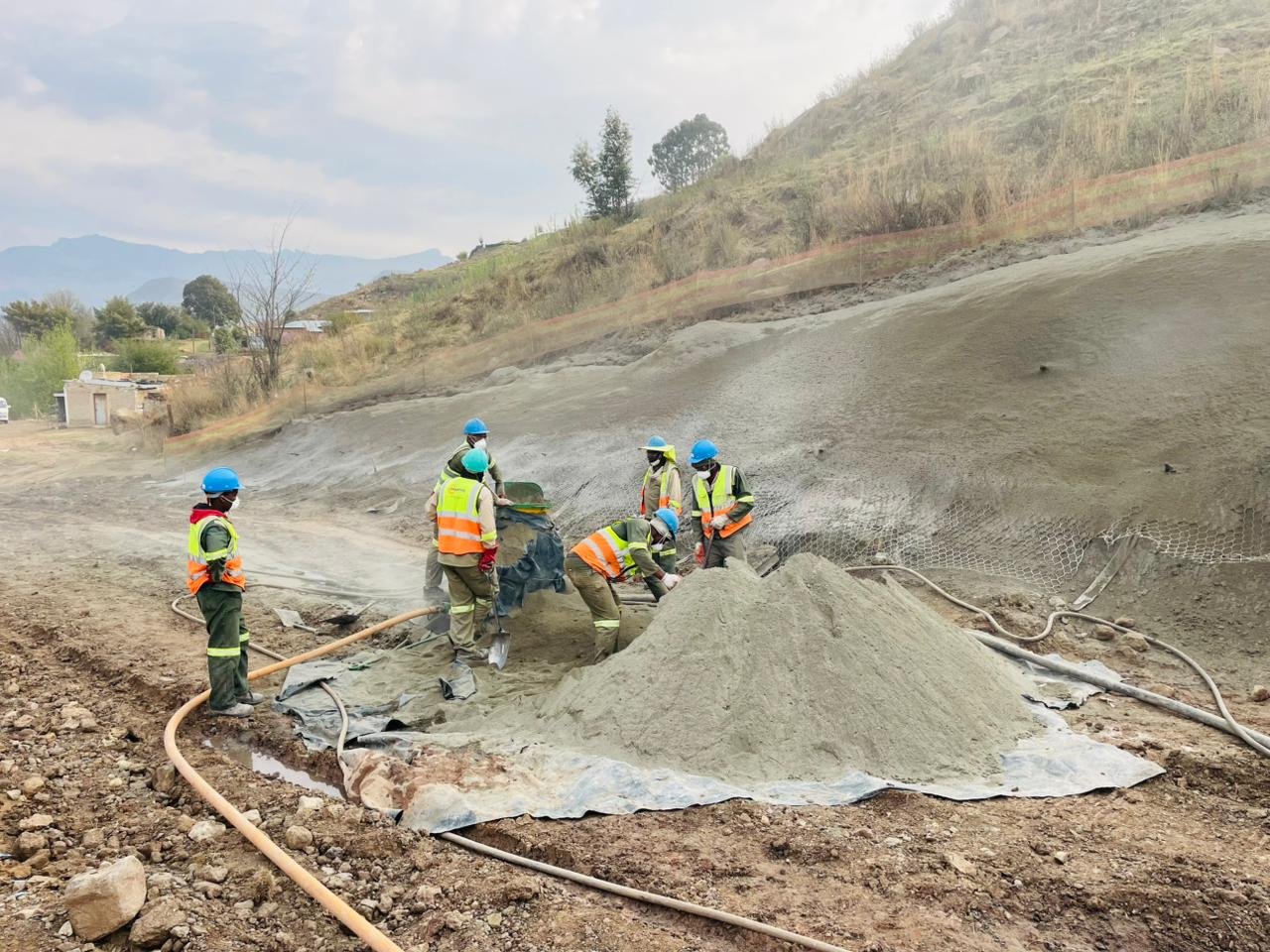
Shotcrete Properties
Some of the shotcrete properties are:
1. Cement content is high, and aggregates are limited in size.
2. In most cases, it should increase durability.
3. Conventional concrete is consolidated through vibration. Shotcrete is consolidated when a high-velocity jet impacts the surface. It increases cement content by a rebound and creates different air-void systems that affect shotcrete’s durability.
4. The application process affects shotcrete’s in-place properties more than the mixture proportions.
5. Shotcrete specimens are usually made from test panels measuring approximately one-meter square and 75mm thick. They are typically sawed using plywood gunned from.
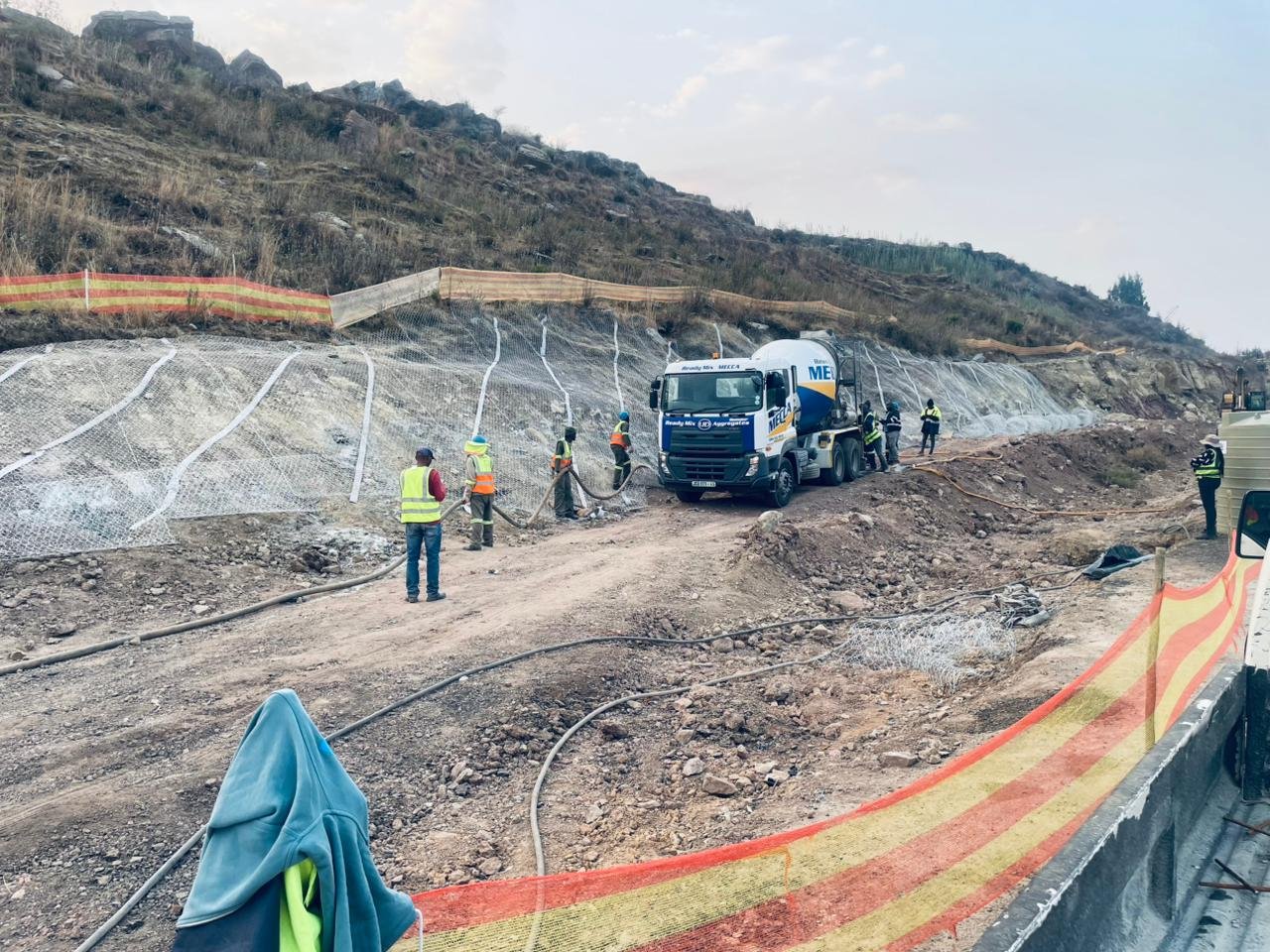
Shotcrete Applications
The applications of shotcrete are:
1. Shotcrete is widely used in various constructions, including thin overhead vertical or horizontal surfaces, especially the curved or folded sections and canal, reservoir, or tunnel lining.
2. It is also used in water retention structures and prestressed tank applications.
3. Shotcrete has been successfully used to stabilise rock slopes and temporarily protect newly excavated rock surfaces.
4. It protects against long-term corrosion of oil tanks, pilling, co bunker, and steel building frames.
5. These are used in high-temperature applications such as the refractory liner of kilns and chimneys, furnaces, and similar areas.
Advantages of Shotcrete
The advantages of shotcrete are:
1. Spray concrete, also known as sprayed concrete, is a form of concrete used to encapsulate and protect the area. Shotcreting is easy to apply in restricted areas far from the access point. Concrete mix is transported a great distance from the production site using this method.
2. Shotcrete is a structurally strong, durable material that can bond well with concrete, steel, and masonry. Shotcrete has a water-cement ratio of 0.35 to 0.5 per mass, which is lower than other concrete. The compressive strength reported is between 20 and 50 N/mm2.
3. Shotcrete generally has a 0.6 to 0.1% drying shrinkage value. Shotcrete is very durable in both laboratory and field environments.
4. Most importantly, shotcrete is superior to other concrete in many ways.